This essay originally appeared as part of a round table in The Free Press entitled “Is America’s Infrastructure Under Attack?” Microsoft, the FAA, banks, United Airlines, the NSA—it’s been a really bad week in cyberspace. But, amazing as it might seem, these are not related. As far as we know, they’re not the result of cyberattacks. They’re not even related to AI. (Well, that’s mostly true. The NSA will probably never tell us what went wrong.) It’s really just a series of unfortunate coincidences. Our computerized infrastructure is vulnerable and fragile. Much of it is old, and has been incrementally patched and upgraded. A surprising amount of it is maintained by hobbyists, without any recompense. And more and more of it is centralized: the same systems affecting many different aspects of our lives and society. In many cases, it just barely works. And when it fails, it tends to fail badly. There are a lot of technological reasons why this is true, but they are all downstream of the economic ones. The technologies we rely on are built and maintained within our economic system—and that’s where the core problem lies. Security, safety, resilience, redundancy, recoverability—these are all essential parts of reliable technology, but they are all costs. More importantly, they are inefficient: costs that feel wasteful until something bad happens. Modern shareholder capitalism, and private equity in particular, squeeze all inefficiencies out of a company in pursuit of near-term profits. Competition, with multiple companies competing to do the same thing, is another inefficiency. Monopolization removes that in pursuit of near-term profits. The result is brittle systems, single points of failure. They’re more susceptible to cyberattack—both human and AI-fueled—and more susceptible to random mistakes. The more we allow unregulated capitalism to privatize gains while socializing risks, the more we should expect these sorts of failures. Fixing this is technical, but it’s political first. It requires changing incentives, and that involves regulation and control. “What to do” is easy; finding the political will to stand up to moneyed interests and do it is hard.
We Get the Infrastructure We Pay For
This essay originally appeared as part of a round table in The Free Press entitled “Is America’s Infrastructure Under Attack?” Microsoft, the FAA, banks, United Airlines, the NSA—it’s been a really bad week in cyberspace. But, amazing as it might seem, these are not related. As far as we know, they’re not the result of cyberattacks. They’re not even related to AI. (Well, that’s mostly true. The NSA will probably never tell us what went wrong.) It’s really just a series of unfortunate c
Editor
Nov 24, 2026 · 2 min read

Source: Bruce Schneier
From other categories

Mobile Development
Apple reportedly revamping notifications once again with iOS 28
just now·1 min

AI & Machine Learning
Quoting Jack Despain Zhou
34m ago·1 min

Hardware
Scientific Analysis of Nontraditional Garden Watering Method
43m ago·3 min
Operating Systems
Security updates for Thursday
2h ago·2 min

Databases
Cornelia Biacsics: Contributions for week 46
4h ago·2 min
Programming Languages
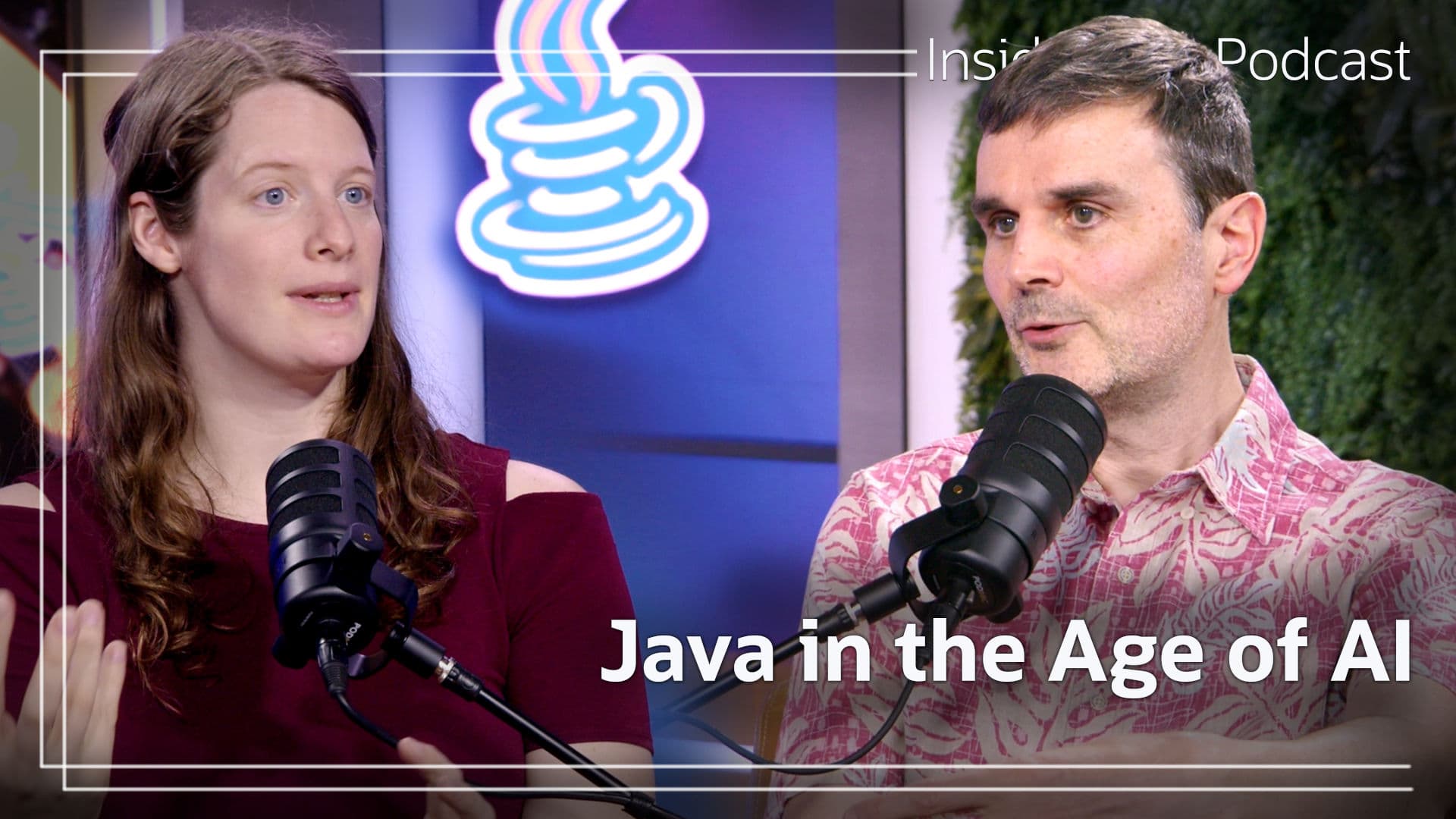
Episode 76 “Java in the Age of AI” [AtA]
16h ago·1 min