The U.S. delivered more than 500 RQ-20A Puma AE drones to Ukraine in 2023 for use in reconnaissance missions. These hand-launched uncrewed aerial vehicles (UAVs) are equipped with optical and infrared sensors for surveying the battlefield, but the evolving electromagnetic warfare landscape meant that the entire fleet had to be grounded. Now, Ukrainian defense firm Rise Technologies has upgraded the drones with its Palych communications system, which allows the UAVs to withstand the advanced electronic warfare (EW) environment found on the frontlines in 2026. According to United24 Media, this new component allows drone operators to select the drone’s operating frequency band to avoid heavily jammed channels and maintain communications during flight. It also increases the range of the Puma to 31 miles (50 kilometers) from its basic range of 10 miles (16 kilometers).Russia’s 2022 escalation of the war in Ukraine saw the widespread use of small and medium-sized drones, with both sides deploying countermeasures like GPS jamming and radio interference to defend against these UAVs. Because of this, we’ve seen various innovations to counter the countermeasures, like the use of fiber optic drones, which are essentially jam-proof, and the installation of a camera and magnetic compass on Russian drones to counter GPS jamming. Ukraine has also devised a "flying modem" relay system for its drones, allowing its forces to conduct strategic drone strikes even without the use of finicky Starlink connections. The indigenous communications system was also installed on other drones from DJI and Autel, as well as on some attack UAVs, giving Ukrainian drone operators an advantage on the battlefield. The proliferation of drones has also forced militaries across the world to develop cheaper countermeasures against them. The U.S. has already deployed high-energy lasers to shoot down Mexican cartel drones crossing its southern border, while the Royal Navy is testing the DragonFire laser that can target UAVs traveling at up to 400 mph while only costing $13 per shot. Israel has also deployed its 100,000-watt Iron Beam system, while China has built a man-portable anti-drone laser system that weighs 55 pounds and can hit targets up to 1,600 feet away.These laser systems are ideal for taking down a few drone units. But for drone swarm threats, microwave systems are a better solution, as they could take down multiple drones in a single shot. Some examples of this include the Leonidas AGV from the U.S. and Turkey’s Aselsan Ejderha, or “Dragon” in English, which uses high-power electromagnetic systems to overwhelm the sensitive electronics found inside most drones.
Ukraine revives its grounded fleet of 500+ US-made Puma drones with homegrown anti-jamming tech
The Puma AE reconnaissance drones had been grounded by electromagnetic warfare until they received this upgrade.
Editor
Nov 22, 2026 · 3 min read
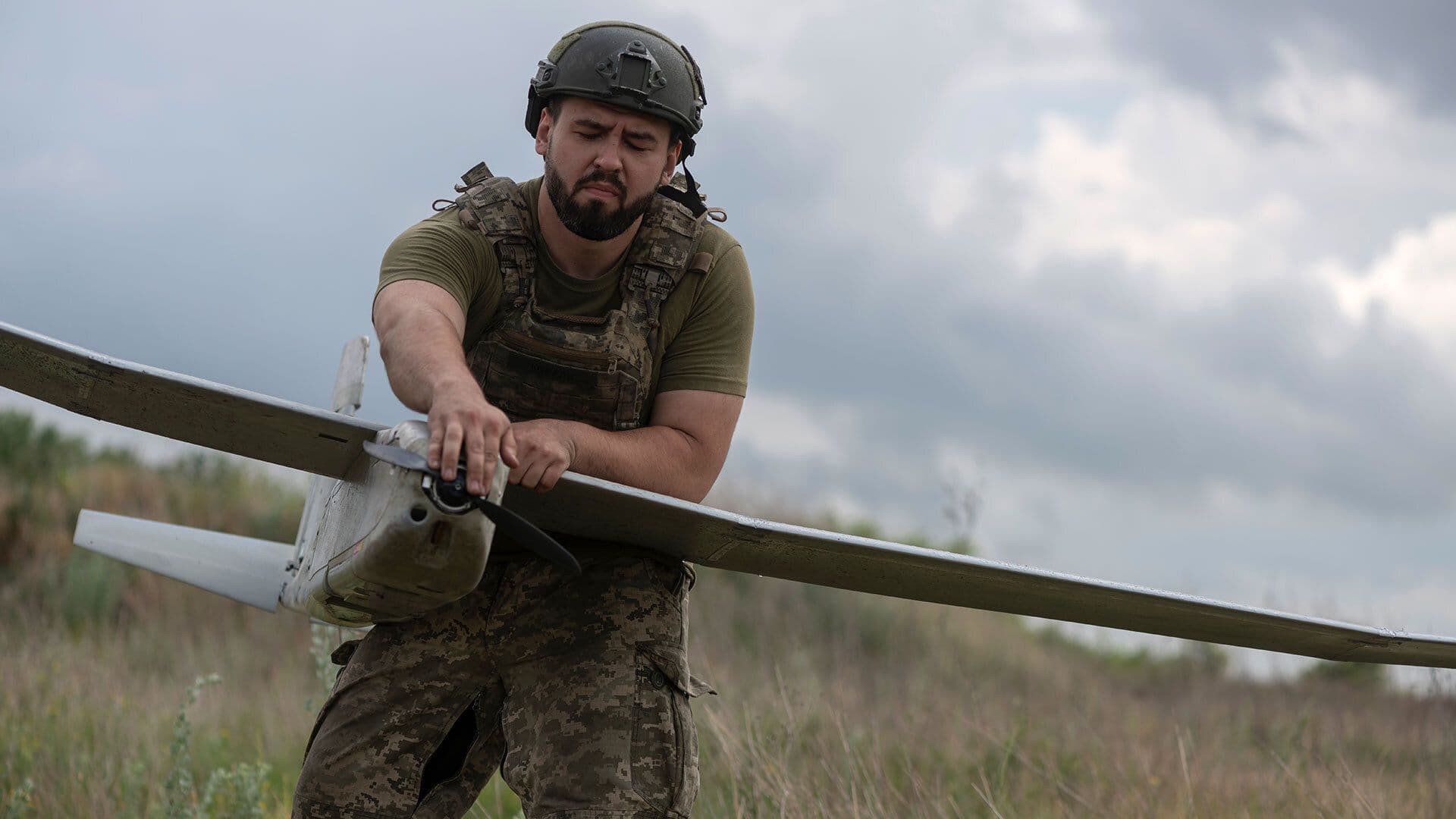
Source: Jowi Morales
From other categories

Operating Systems
High Tide (Linux TIDAL client) adds support for DLNA, Chromecast
1h ago·1 min

Databases
Mats Kindahl: Building a Table Access Method, Part 9: UNLOGGED tables and surviving a restart
3h ago·20 min

Security
A brief history of syslog timestamps, (Sun, Nov 22nd)
4h ago·4 min

AI & Machine Learning
Meta ads is now available in AWS Quick
20h ago·7 min

Programming Languages
JavaOne 2027 & Java 28 Value Objects - Inside Java Newsletter
2d ago·1 min

Mobile Development
Expanding Android developer verification in 2027
4d ago·1 min