Elon Musk is borrowing $43 billion to finance SpaceX's acquisition of Nvidia AI chips for its ambitious data center projects and is using the semiconductors as collateral. However, Ars Technica reports that lenders are concerned that SpaceX will use the chips for its planned orbital data center, making it difficult, if not impossible, for creditors to reclaim in case the company defaults on its loan. SpaceX said it will deploy the collateralized chips only on Earth, but it remains unclear whether this provision is included in the signed debt instrument.SpaceX is working on building massive data centers on both Earth and in space. Musk has already revealed the company’s first-generation AI1 satellite, with a 120-kilowatt payload and a span that’s larger than a Boeing 747, while he’s also planning to build a $24-billion gas-powered AI supercomputer in Starbase, Texas. These projects are in addition to the Colossus 1 and Colossus 2 sites near the Tennessee-Mississippi border.Despite being one of the richest people on Earth right now, Musk is relying on a financing deal to acquire the chips he needs to achieve his dream of building an AI LLM that will “assist in the pursuit of understanding.” The $43 billion “Project Saturn” loan is also not structured like a typical loan, so its investment-grade rating would remain unaffected. Instead, it’s built similarly to aircraft leasing agreements, in which a leasing company buys the jets and leases them to the airline that wants to use them. This saves the airline from having to put up a significant amount of cash to get the airplanes that it needs.For this deal, the Saturn Funding Trust, a fully owned subsidiary of asset-backed lending company WHCO, would acquire the Nvidia GPUs for SpaceX, with the latter paying the former quarterly for the privilege of using the AI chips. The deal is also described as a “five-year triple-net, hell-or-high-water finance lease arrangement,” meaning SpaceX must pay the lease for five years, whether the chips break, become obsolete, or the project becomes unprofitable. It’s also responsible for all the expenses of operating the chips.These terms are very lender-friendly, as SpaceX basically assumes all the risks while also keeping them off its books. Rating agency Moody’s also said in its report that the chips will be deployed in SpaceX’s U.S. data centers. Nevertheless, the company’s plan to blast data centers into space is making some lenders nervous, regardless of its Earth-bound plans and promises.
Lenders back SpaceX's $43 billion Nvidia GPU deal but worry the collateral could end up in orbit, making them impossible to reclaim if Musk defaults
The $43 billion loan is structured as a unique arrangement in which a different company buys the Nvidia chips, while SpaceX makes quarterly payments to use them.
Editor
Nov 22, 2026 · 3 min read
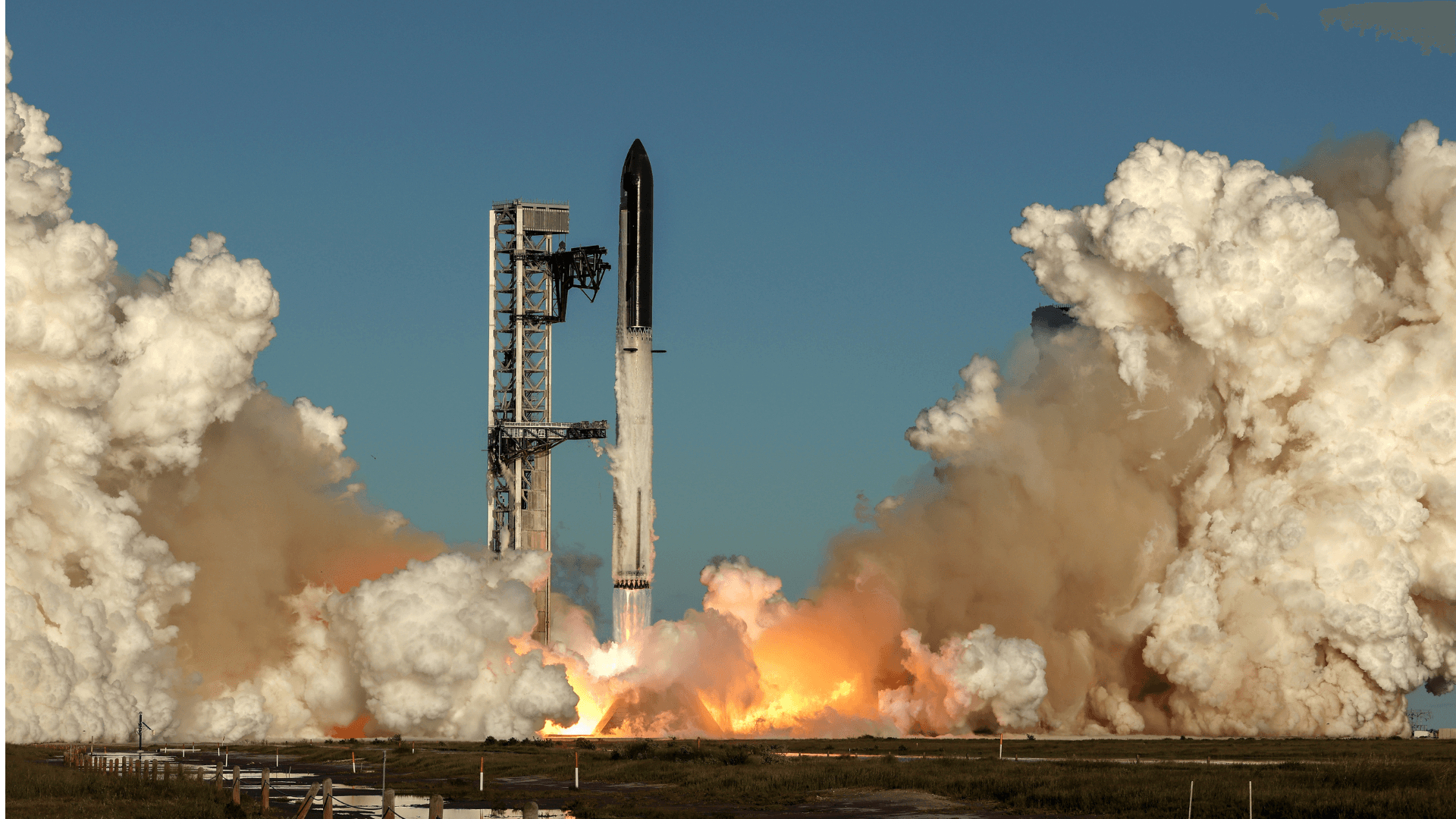
Source: Jowi Morales
From other categories

Operating Systems
High Tide (Linux TIDAL client) adds support for DLNA, Chromecast
1h ago·1 min

Databases
Mats Kindahl: Building a Table Access Method, Part 9: UNLOGGED tables and surviving a restart
3h ago·20 min

Security
A brief history of syslog timestamps, (Sun, Nov 22nd)
4h ago·4 min

AI & Machine Learning
Meta ads is now available in AWS Quick
20h ago·7 min
Programming Languages
JavaOne 2027 & Java 28 Value Objects - Inside Java Newsletter
2d ago·1 min

Mobile Development
Expanding Android developer verification in 2027
4d ago·1 min